






What is BARF for Dogs?
All You Need to Know About Raw Feeding for Dogs
Table of Contents

Where Does the Term “BARF” Come From?
The acronym BARF has several meanings. In English, it refers to species-appropriate pet nutrition as “Bones And Raw Food” or “Biologically Appropriate Raw Food.”
In Germany, the term was first introduced in the 1990s by Swanie Simon. Since then, it has become widely known as “Biologisch Artgerechtes Rohes Futter” (Biologically Appropriate Raw Food).
The acronym BARF was originally coined by American Debbie Tripp to describe people who feed their dogs raw, fresh ingredients. At that time, BARF stood for “Born Again Raw Feeders.”
The Prey Model – The Basis of BARF
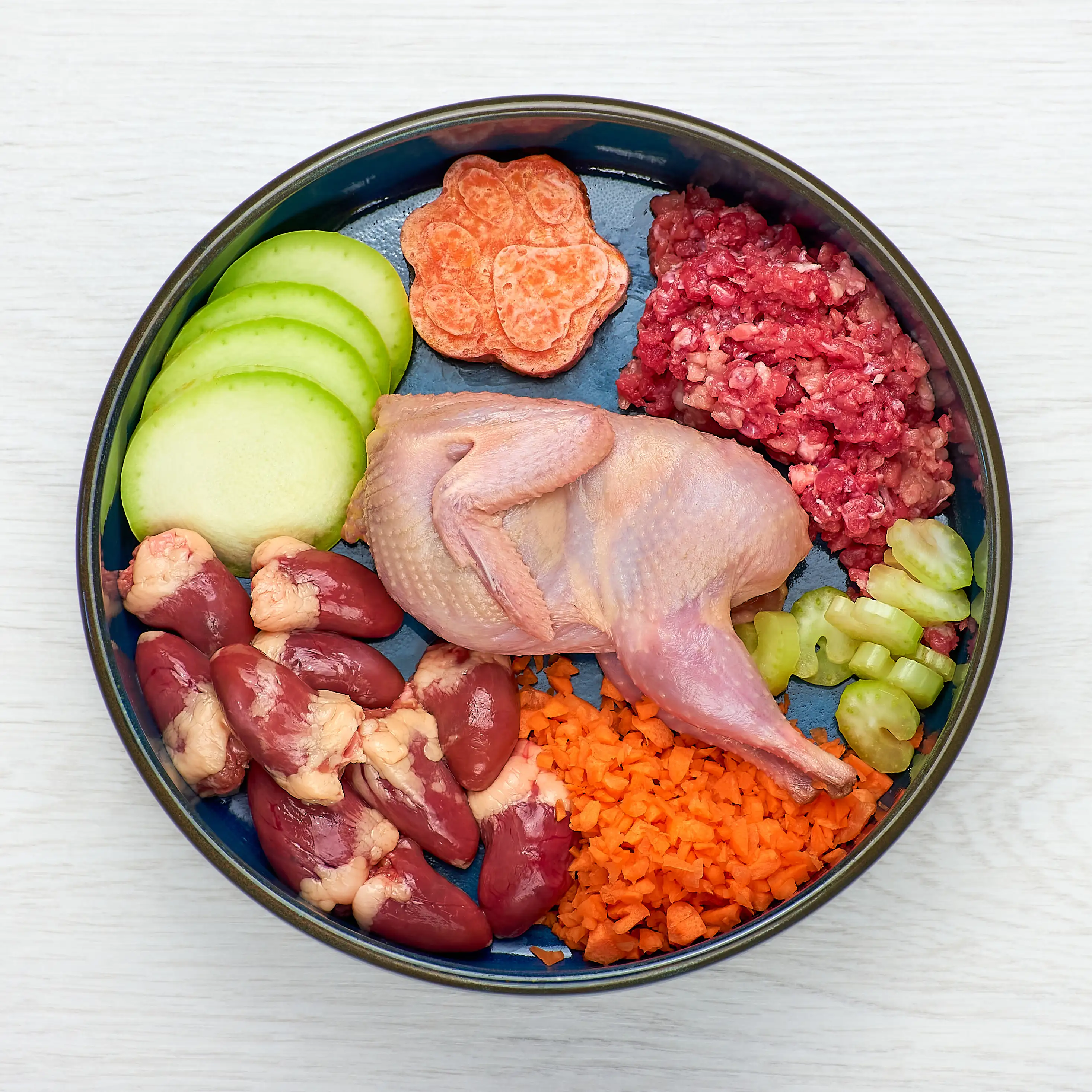
BARF is based on the so-called prey model, aiming to provide dogs with a natural and species-appropriate diet. It replicates the composition of a whole prey animal using fresh, raw ingredients like muscle meat, organs, and bones. This feeding method follows the original diet of dogs' wild ancestors and deliberately avoids artificial additives, fillers, and preservatives often found in commercial pet food. BARF offers maximum transparency, as each ingredient can be chosen individually and tailored to the dog’s specific needs – whether it’s a puppy, senior, working dog, or sensitive companion. BARF is a healthy, natural, and highly flexible alternative to conventional wet or dry food.


A Look at the History of Wolves and Dogs – Why BARF Is Natural and Species-Appropriate
To understand why raw feeding is considered the most natural form of dog nutrition, it’s worth taking a look at the shared history of dogs and wolves. Despite thousands of years of domestication, our pet dogs still resemble their wild ancestors in many physiological traits. Both dogs and wolves are carnivores – meat-eaters – who primarily, though not exclusively, rely on animal-based food. In the wild, wolves consume entire prey animals, including organs, bones, fur, feathers, and stomach contents. Since their prey are mostly herbivores, wolves also ingest pre-digested plant matter this way. Additionally, they occasionally eat grasses, herbs, roots, insects, or even soil and feces. However, this doesn’t make them omnivores.
Although dogs no longer hunt prey, their digestive system still closely resembles that of wolves. Wolves meet their nutritional needs for protein, fat, vitamins, minerals, and fiber by consuming whole prey – raw and unprocessed. Since feeding whole animals to dogs isn’t practical in everyday life, BARF offers a sensible alternative. Raw feeding mimics the natural prey model by using fresh, raw components from both animal and plant sources in similar proportions. From a historical and biological standpoint, this makes BARF the most species-appropriate and healthiest way to feed dogs, as all components are easily digestible and nutrients can be optimally absorbed and utilized.
Key Ingredients in a BARF Meal
BARF meals typically consist of 80% animal-based and 20% plant-based ingredients. The animal portion includes marbled muscle meat, organs, and raw meaty bones, while the plant portion mainly consists of pureed vegetables and fruit. To meet all nutritional requirements, specific supplements are often necessary. This ratio serves as a general guideline for healthy adult dogs without special needs and should always be adjusted to your dog’s individual requirements.

The Components of a BARF Meal at a Glance
A balanced BARF meal generally includes the following animal- and plant-based components:



Raw Meaty Bones (RMB)
Raw meaty bones provide calcium, phosphorus, and other minerals essential for bone metabolism and dental health. Suitable options include chicken necks and carcasses or veal breastbone. Bones should always be fed raw and with some meat attached — never cooked, as this poses a risk of injury!

Tripe and Omasum
Tripe and omasum are forestomachs of ruminants like cows and are considered valuable additions to a BARF diet, though optional. They contain digestive enzymes, lactic acid bacteria, and plant residues that support a healthy gut flora.

Vegetables
Cooked or finely pureed vegetables serve as a source of fiber and provide beneficial phytonutrients. Suitable options include carrots, zucchini, pumpkin, and leafy greens. Starchy vegetables like potatoes should only be fed cooked and in moderation. Choose vegetables based on regional and seasonal availability.

Fruit
Fruit also provides fiber along with essential vitamins and antioxidants. Popular choices include apples, berries, bananas, and pears. Be sure to puree or finely grate fruit — this helps dogs better digest and absorb the nutrients.

Supplements
Depending on your dog’s life stage, health condition, and the BARF composition, supplements may be needed in various forms. Some, like seaweed meal and omega-3-rich oil, are essential components. Learn more on the page "Supplements for BARF feeding".
Sidebar: Other Types of Raw Feeding
There are several approaches to raw feeding dogs, each with its own method and philosophy. The best-known and most widely used is BARF. Other popular models include Whole Prey and Franken Prey.
Whole Prey – Feeding the Entire Prey Animal
The Whole Prey method sticks most closely to the natural diet of wild carnivores. Entire animals like mice, quail, chicks, or rabbits are fed — including fur or feathers, bones, organs, and stomach contents. The goal is to provide the dog with exactly what it would eat in the wild. Since these prey animals are complete, no supplements are usually needed. While this feeding method is highly natural, it’s difficult or nearly impossible for most dog owners to implement in everyday life.
Franken Prey – Reconstructing the Prey Animal
An alternative to Whole Prey is the so-called Franken Prey model, where the prey animal is reassembled using various animal parts. Unlike BARF, this method relies solely on animal components: muscle meat, bones, and organs are combined in ratios that mimic a natural prey animal. The standard ratio is around 80% muscle meat, 10% bones, and 10% organs. No supplements are used. While more practical than feeding whole animals, this approach requires good knowledge of nutrient balance, since not all parts of a prey animal are included and this may lead to deficiencies in certain nutrients.
Whole & Franken Prey Compared to BARF
The feeding methods described differ mainly in the types of ingredients used, the level of naturalness, and the effort involved in planning and preparation. Whole Prey is the most original version, feeding the entire prey animal. Franken Prey is a more practical alternative that reconstructs the prey from individual animal parts. BARF offers the greatest flexibility, combining animal and plant components with targeted supplements to meet a dog’s individual needs. However, this also means more effort compared to the other two methods.
The most suitable feeding method depends not only on the dog’s health and preferences, but also on your personal lifestyle and willingness to invest time and effort into nutrition. All three options require a certain level of knowledge, time, and responsibility.
How to Properly Plan BARF Meals
There are two common approaches to raw feeding: either preparing meals fresh daily based on a fixed weekly plan, or preparing complete meals in advance and freezing them in portions. Which method works best depends on your routine, time availability, and number of dogs. Regardless of the method, a personalized feeding plan based on the prey model is key to balanced BARF nutrition. It’s best to split the daily portion into multiple meals. You don’t need to include all essential components in perfect balance every day — what matters is achieving a balanced diet over the course of about four weeks. This makes BARF much less complicated than it might seem at first.


What Tools Do I Need for BARF?
You don’t need a special kitchen to start raw feeding your dog. However, a few practical tools can make the preparation much easier. A spacious freezer is especially important for storing frozen food. A food processor or powerful blender helps with chopping fruits and vegetables. Freezer containers or reusable silicone freezer bags are great for portioning and storage.
Other basics include a sharp knife, cutting board, spoon, disposable gloves, and possibly a cleaver. A digital kitchen scale is essential for measuring portions accurately, and for small amounts, a precision or spoon scale is recommended. Lastly, make sure to have a large, non-slip feeding bowl that suits the volume of BARF meals and is easy to clean. With these tools, BARF can be easily and hygienically integrated into your daily routine.
BARF for Dogs: Benefits and Practical Tips
BARF gives dog owners the chance to take control of their dog’s diet in a conscious and personalized way. Many report positive changes after switching to BARF — like shinier coats, improved digestion, and increased vitality. Fresh, unprocessed ingredients provide essential nutrients that can support overall health and well-being.
One major advantage of BARF is knowing exactly what goes into your dog’s bowl — with no artificial additives or low-quality by-products. The diet can be flexibly adjusted to suit age, activity level, and food sensitivities.
However, BARF requires a bit of learning. At first, the wealth of information and routine changes can seem overwhelming. But over time, it becomes easier and quicker as you develop a routine.
As with any feeding method, there are important points to consider — like ensuring nutritional balance and hygienic handling of ingredients. With a solid feeding plan and, if needed, expert guidance, most challenges can be managed well.
Ultimately, BARF is one of many ways to feed your dog healthily and appropriately. The most important thing is to choose a feeding method that suits both your dog and your lifestyle. In some cases, it’s even possible to combine approaches — such as feeding wet food while traveling and BARF at home.
Feeding Recommendations for BARF
The recommendations below are only rough guidelines. The amount of food a dog needs each day depends on various factors — such as age, size, activity level, health status, temperament, and life stage. External factors like season and temperature can also play a role.
As a general rule of thumb, an adult, healthy dog should receive about 2–4% of its body weight in food daily:
Small dogs (up to approx. 10 kg): approx. 3–4% of body weight
Medium-sized dogs (10–25 kg): approx. 2–3%
Large dogs (25+ kg): approx. 2%
Since small dogs have a higher energy demand per kilogram of body weight, their daily food percentage is usually slightly higher.

Puppies and young dogs in growth phases need significantly more BARF each day. Depending on age and development, they typically require 4–6% of their current body weight daily. Highly active puppies may even need up to 10%. Free BARF calculators can help you determine the right feeding amount. If you need more support or want a personalized BARF plan for your dog, it’s a good idea to consult a certified canine nutrition expert.
How Age, Activity, and Health Affect BARF Quantities
The amount of BARF a dog needs per day doesn’t just depend on body weight. Age, activity level, and health status are just as important. Puppies and young dogs have faster metabolisms and greater nutritional needs due to growth. They need more food per kilogram of body weight and a specific nutrient balance. Seniors, on the other hand, tend to be less active and metabolically slower, and usually need smaller amounts of easily digestible food.
Activity level is another key factor: A highly active dog that goes on long walks, trains, or participates in dog sports needs significantly more energy than a more sedentary dog who stays indoors most of the day. On the other hand, overfeeding less active or neutered dogs can quickly lead to weight gain.
Health conditions such as allergies, metabolic disorders, joint problems, or digestive issues should also influence the amount and composition of BARF meals. In such cases, a custom feeding plan is essential. It’s best to consult experienced BARF professionals to avoid under- or oversupplying your dog with nutrients.

How Many BARF Meals Does a Dog Need Each Day?
The ideal number of meals mainly depends on your dog’s age and digestive tolerance. Healthy adult dogs usually do well with one or two meals per day. Many owners prefer feeding twice daily (morning and evening) to support steady digestion and avoid long fasting periods.
Puppies and young dogs need several small meals spread throughout the day — up to four at first, later reduced to two or three. Older or sensitive dogs, especially those with digestive issues, may also benefit from more frequent, smaller meals. Fixed feeding times can help regulate digestion and support overall well-being.
Life Stage |
Feeding Frequency per Day |
Notes |
|---|---|---|
Puppies (up to approx. 6 months) |
3–4 meals |
small portions, spaced evenly throughout the day |
Young Dogs (6–12 months) |
2–3 meals |
depending on size and activity level |
Adult Dogs |
1–2 meals |
2 meals often easier to digest |
Seniors |
2 meals |
even distribution supports metabolism |
Sensitive Dogs or Those with Health Conditions |
2–4 meals (individual) |
consult with vet or canine nutritionist |
Healthy Snacks in a BARF Diet
Snacks and chews can be a valuable addition to a BARF diet — provided they’re high-quality and natural. So-called natural snacks made from dried meat, organs, bones, or fish without artificial additives like colors, flavors, or preservatives are ideal. Depending on texture and consistency, they range from harder chews (great for dental care) to smaller treats perfect for rewards during training or daily life. For dogs with sensitivities or allergies, snacks should ideally be single-protein and grain-free to ensure easy digestion. It’s important to remember: snacks are a supplement, not a substitute for the main meal.

If you regularly give treats or chews, be sure to adjust the total daily food amount accordingly — especially important for dogs prone to weight gain. Low-fat options like dried beef lung or horse lung are ideal for dogs watching their weight. Large, hard chews should always be given under supervision, as fast eaters may risk injury or choking. Also, make sure your dog always has access to plenty of fresh water.
Puppies and senior dogs can also enjoy natural snacks. However, choose options appropriate for their age: softer, easy-to-digest snacks like meat strips, chicken necks, or dried hearts are better suited than very hard or fatty products. In general: If you pay attention to quality and natural ingredients, snacks can be safely integrated into a BARF diet — as a treat, reward, or fun activity in between meals.

Frequently Asked Questions About BARF for Dogs (FAQ)
What Is BARF for Dogs?
You can find the answer in the section "The Prey Model – The Basis of BARF".
What Does BARF Mean in German?
You’ll find the meaning of "BARF" in German in the section "Where Does the Term “BARF” Come From?".
How Do I Calculate the BARF Amount?
A detailed explanation on how to calculate the correct amount of food for BARF meals is provided in the section "Feeding Recommendations for BARF".
What Should BARF Meals Consist Of?
You can find the ideal composition of a balanced BARF meal for dogs in the section "Key Ingredients in a BARF Meal".
How Do I Portion BARF Meals?
Helpful tips for portioning BARF meals for dogs are available in the section "How to Properly Plan BARF Meals".
What Does BARF Mean in English?
You’ll find the meaning of "BARF" in English in the section "Where Does the Term “BARF” Come From?".
How Often Should I Feed BARF Per Day?
You can find the recommended number of BARF meals per day in the section "How Many BARF Meals Does a Dog Need Each Day?".
How Much BARF Per Kilogram of Body Weight?
To learn how to calculate food amounts based on body weight, visit the section "Feeding Recommendations for BARF".
Is BARF Healthy?
The answer to that is in the section "The Prey Model – The Basis of BARF".