





The Dog’s Digestive System
What the wolf teaches us about species-appropriate nutrition
Table of contents
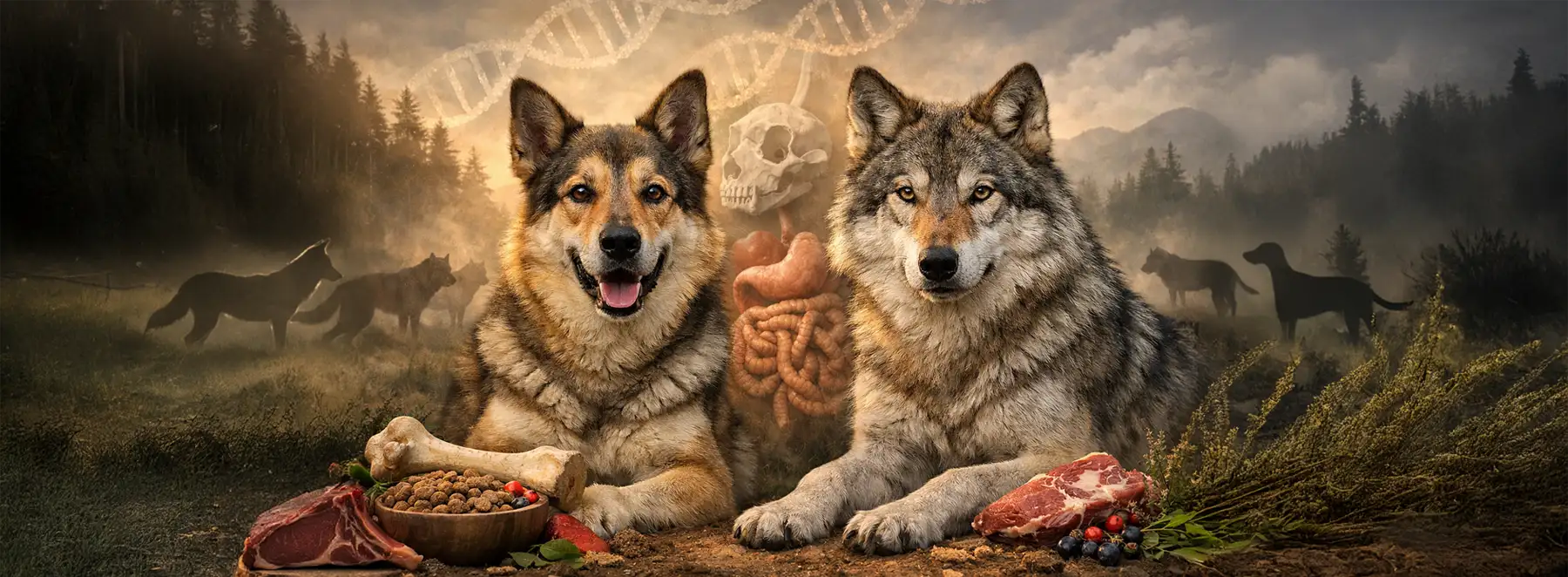
The relationship between wolves and dogs goes back many thousands of years. From a wild predator, the modern domestic dog developed over the course of domestication – with changed living conditions, new social behaviour and an increasingly human-determined diet.
Especially in the context of species-appropriate feeding, the question therefore repeatedly arises as to what role the wolf still plays as a biological model. What similarities still exist today, where are the differences – and what conclusions can be drawn from this for the nutrition and digestion of the dog?
The natural diet of the wolf
Whether dogs descend directly from today’s wolves or whether both merely share a common, now extinct, ancestor has not yet been conclusively clarified scientifically. What is undisputed, however, is this: wolves and dogs both belong to the zoological order of carnivores. This classification describes, among other things, the anatomical structure of the teeth, digestive tract and enzyme equipment.
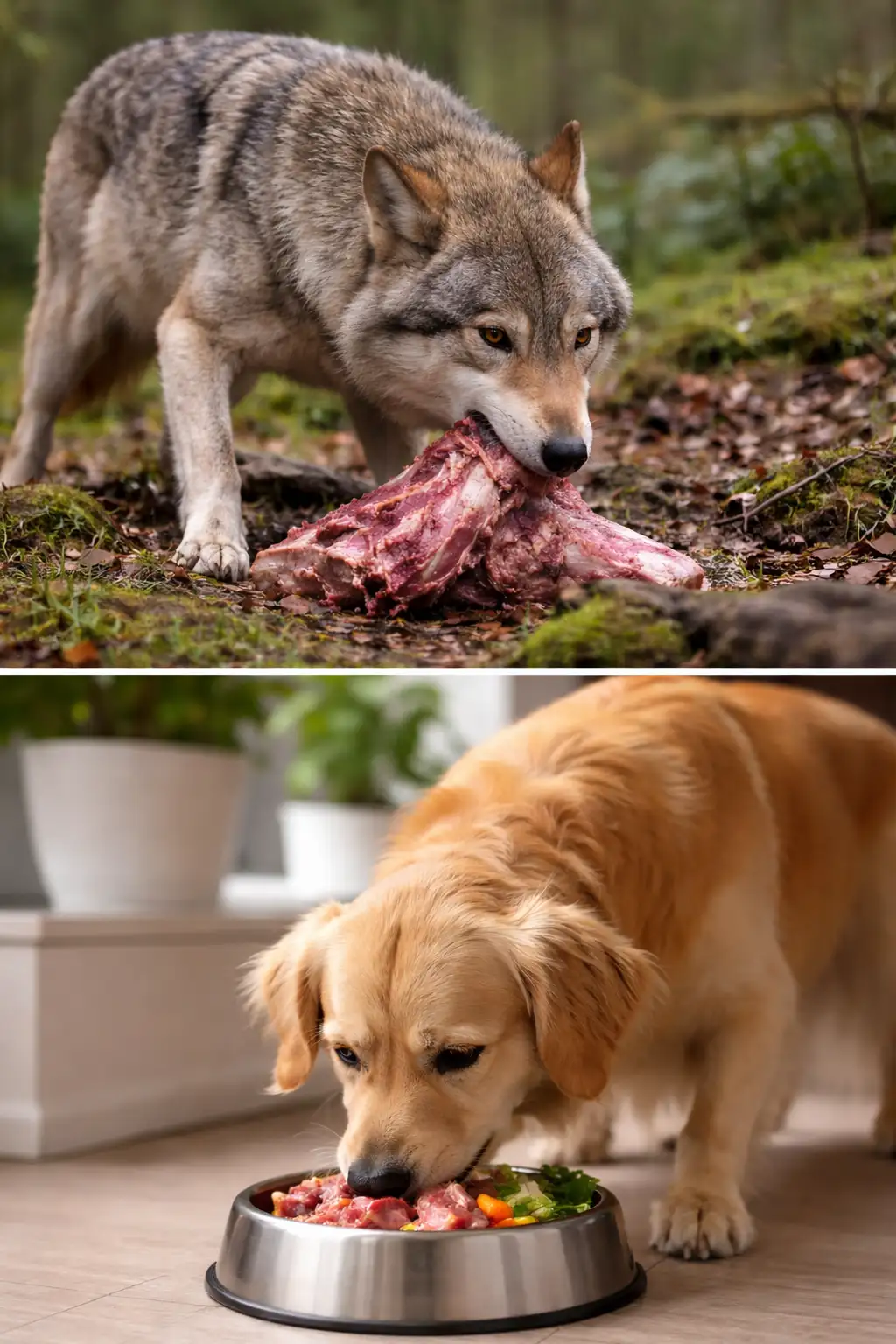
The wolf is a classic predator. In the wild, it feeds on a wide variety of prey animals: from insects and small mammals to deer, wild boar or birds, the range is very broad. What is decisive, however, is not only what the wolf eats, but also how: its prey animals are almost completely utilised. In addition to muscle meat, offal, blood, bones as well as fur or feathers are also on the menu. Through the stomach contents of herbivorous prey animals, the wolf also ingests small amounts of pre-digested plant components.
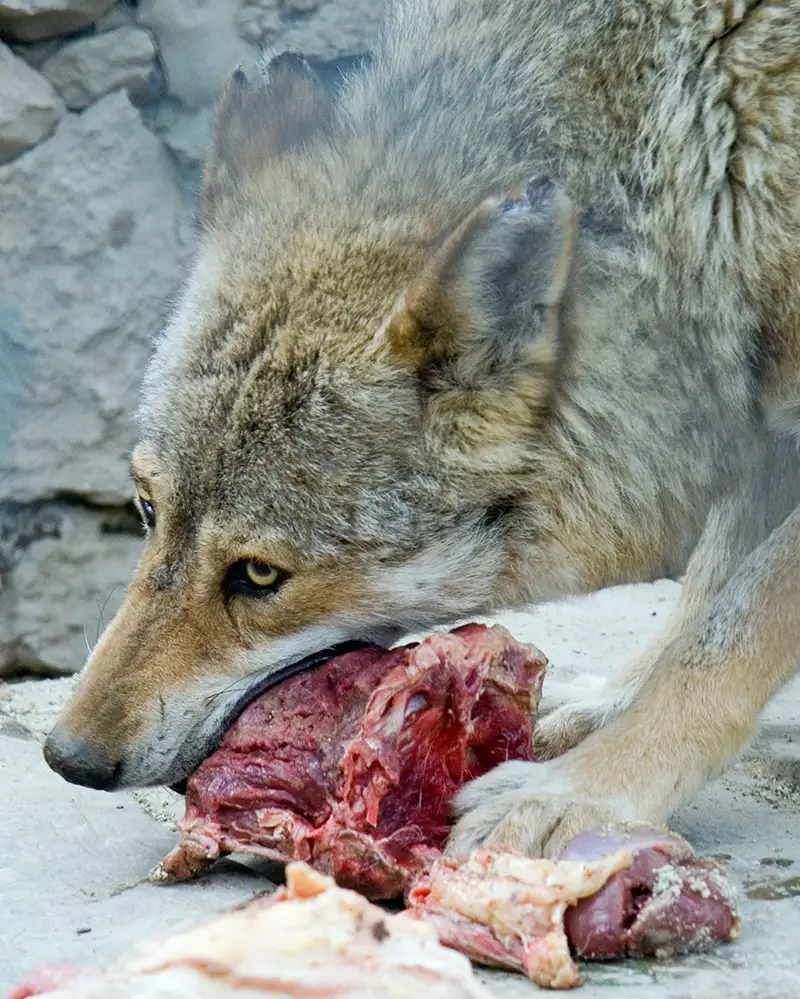
Offal such as liver, heart and kidney provide particularly high levels of vital nutrients and are therefore often eaten first. Very hard weight-bearing bones of larger prey animals, on the other hand, are usually only gnawed on. In theory, the wolf could thus feed itself completely and in a balanced way – if sufficient prey were permanently available. In reality, however, this is not always the case. Periods of food scarcity, one-sided prey or reliance on carrion often lead to deficiency symptoms.
Occasionally, the wolf supplements its diet with berries, grasses or roots. However, this does not make it an omnivore, but rather remains an opportunistic addition within a clearly meat-based, nutritionally carnivorous diet.
From wolf to dog – adaptation to humans
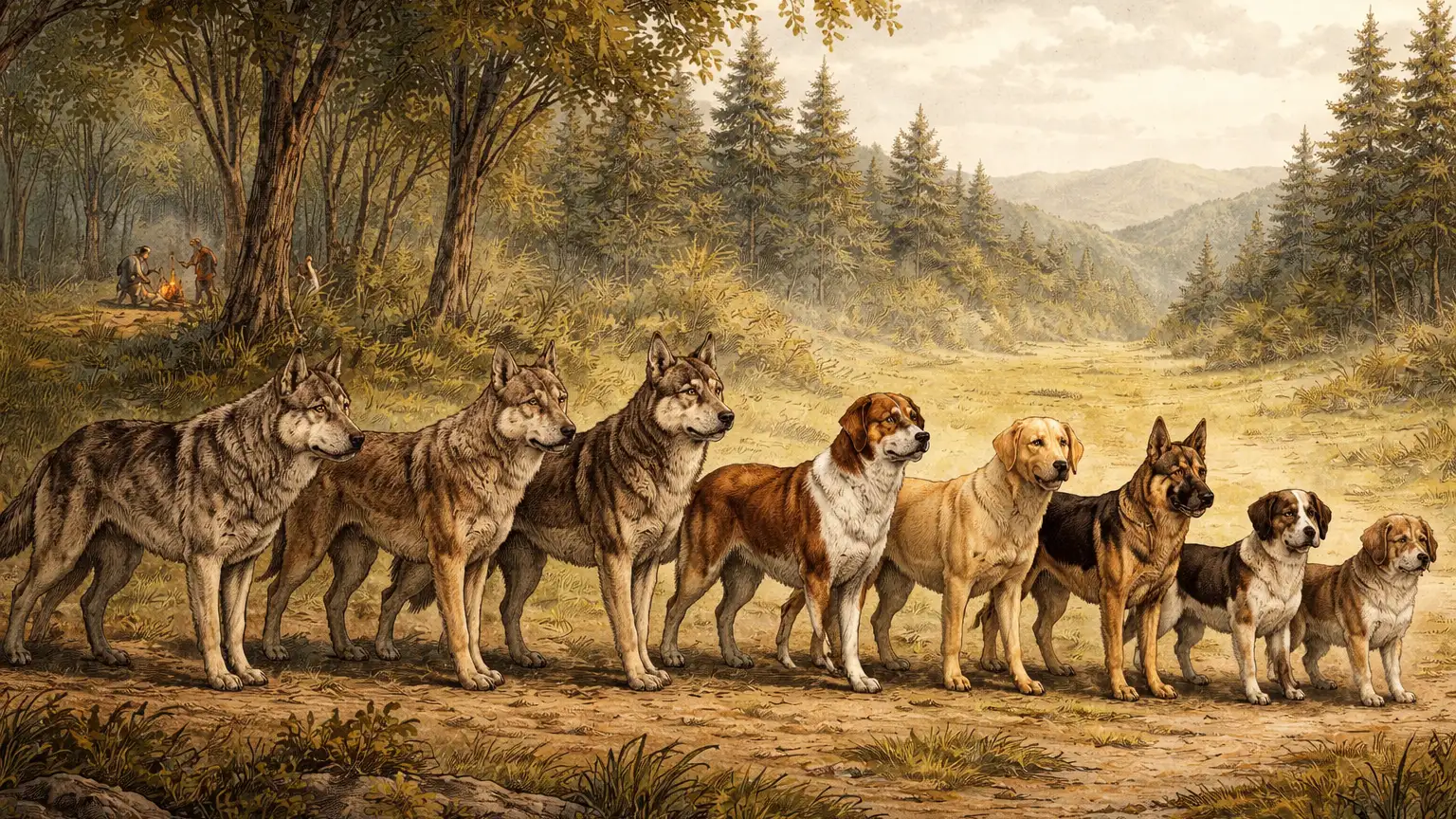
The domestication of the wolf into the dog began around 10,000 to 15,000 years ago. With increasing proximity to humans, not only did the dog’s social behaviour change, but also its diet. Dogs no longer hunted themselves, but depended on eating what humans left to them.
Over many centuries – particularly in antiquity and the Middle Ages – dogs were often fed grain porridge, kitchen scraps, dairy products and leftover bones. Pure muscle meat, blood or offal were valuable foods for humans and were usually not available to dogs. As a result, the dog’s diet differed significantly from that of its wild ancestor.
These changed living and feeding conditions led to the dog adapting to a certain extent to more carbohydrate-rich food. Dogs are therefore able to utilise starch better than wolves. Nevertheless, the basic structure of the digestive tract has largely been retained.
The dog is still a carnivore today in zoological terms, but is nutritionally classified more as a facultative carnivore or carniomnivore – that is, an omnivore with a clear focus on animal-based food. However, the dog is by no means a true omnivore like humans or pigs.
The dog is not a wolf – but neither is it a herbivore
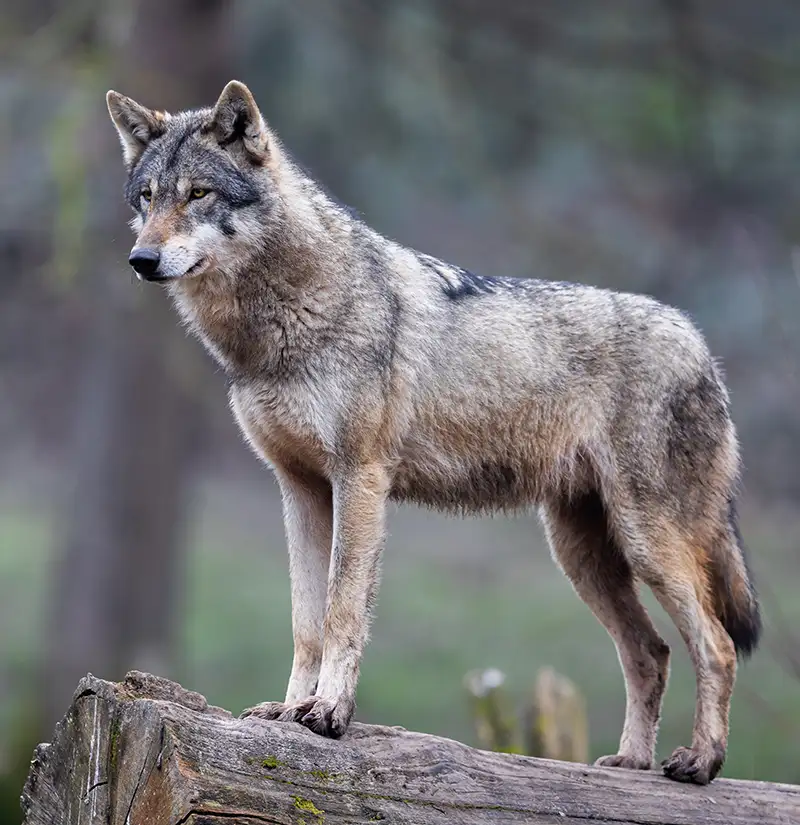
Through selective breeding, an enormous diversity of dog breeds has developed over time. Today, depending on the association, there are between 400 and 800 recognised breeds, whose body weight ranges from less than one kilogram to around 90 kilograms. Accordingly broad is the range of body shapes, coat structures and performance capabilities: from very slender sighthounds to massive molossers, from short- to long-legged, from smooth to heavily curled coats.
Some breeds also exhibit anatomical peculiarities that can restrict food intake or breathing, such as brachycephalic dogs with shortened skulls. Many of these dogs would be hardly capable of surviving in the wild without human care and support. As a result, most modern domestic dogs differ significantly from wolves in both appearance and function, whereas wolf subspecies have remained comparatively uniform in body structure and proportions to this day.
The dog’s lifestyle has also changed significantly over the course of domestication. While wolves cover large distances and their lives are primarily focused on reproduction and independent food acquisition, most dogs today live in houses or apartments, exercise far less and are not infrequently affected by overweight or other diseases of civilisation.
Today, the focus for dogs is no longer on the preservation of the species, but above all on the individual animal. At the same time, their behaviour has also adapted: dogs are strongly oriented towards humans, have developed their own social behaviour and are able to read human facial expressions and gestures. These abilities facilitate living together with us and enable them to communicate their needs specifically within the human environment.
Despite these profound changes, the genetic difference between wolves and dogs is surprisingly small and amounts to only around 0.15%. The dog is no longer a wolf – but it still carries its biological foundations within it. This applies in particular to its digestive system, which is still clearly geared towards a meat-based diet. Plant-based components can be utilised, but only to a limited extent and depending on their processing.
The dog’s digestive system
To understand which diet makes sense for dogs, it is worth taking a closer look at their digestive system. Despite domestication and major external differences, its basic structure still closely resembles that of a classic predator such as the wolf. The dog’s digestion is designed to efficiently utilise animal-based food – with certain adaptations, but also clear limitations.
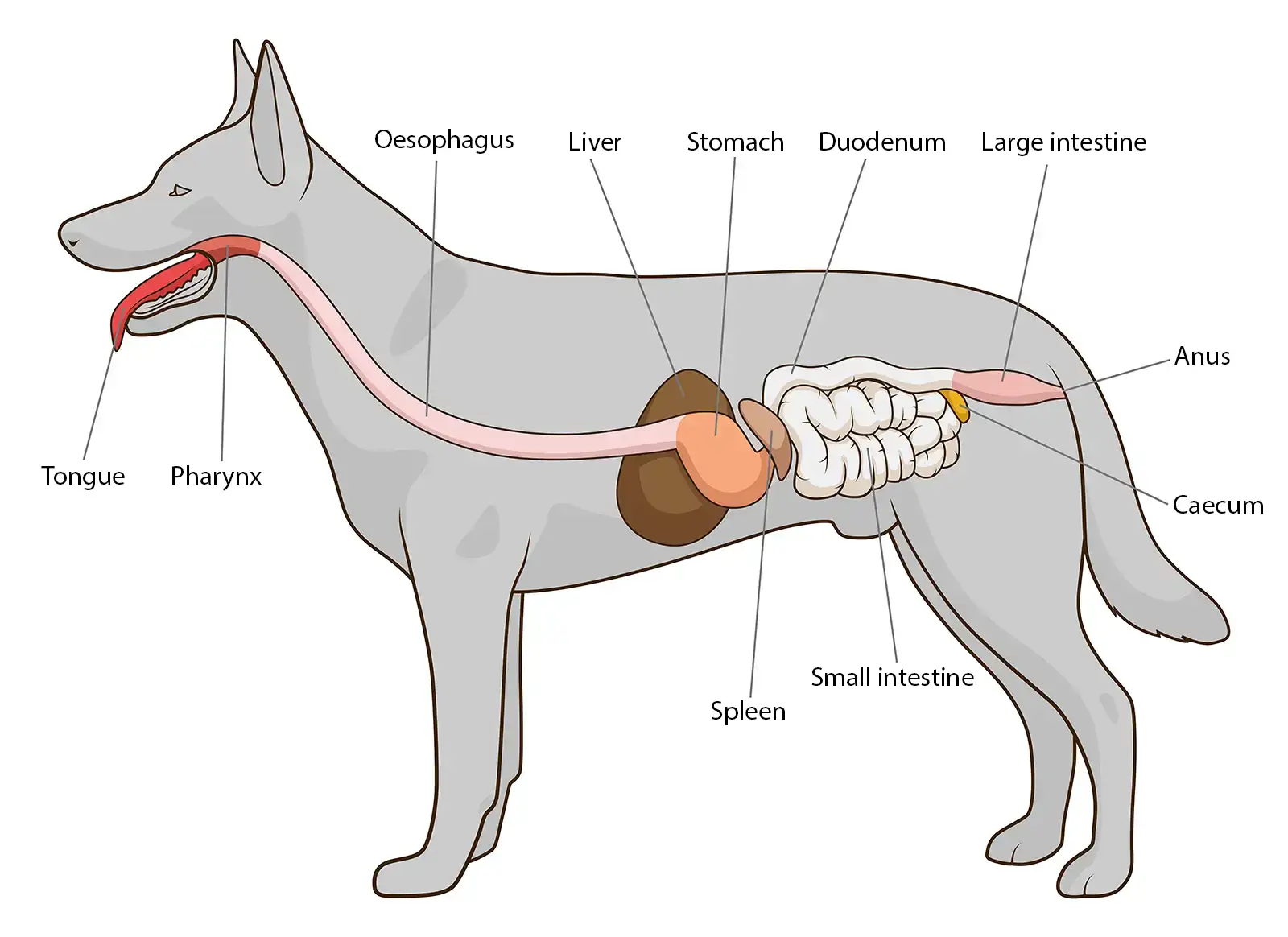
The dog’s digestive tract is overall compact and functional. This is particularly evident in the structure of the intestines. Compared to herbivores, whose intestines can reach 15 to 25 times the body length depending on the species, the dog’s intestines are significantly shorter and more simply structured. The length of the dog’s intestines is around five to six times its body length. This anatomical characteristic reflects the fact that animal-based food is much easier to digest than plant-based food and therefore requires a shorter residence time in the intestines.
Smaller dogs have a somewhat longer digestive tract in relation to their body size than large dogs. This explains why large dogs often produce more faeces and particularly benefit from highly digestible food.
Digestion begins in the mouth
Dogs are gulp eaters. They only roughly break down their food and do not chew intensively as humans do. The digestive process therefore begins primarily mechanically in the mouth – with the help of the tongue, teeth and saliva. Larger pieces of food are not ground up, but rather prepared in such a way that they can slide as smoothly as possible through the oesophagus into the stomach.
The dog’s saliva serves almost exclusively as a lubricant. Unlike in humans, it contains hardly any digestive enzymes, meaning that no enzymatic breakdown of food takes place in the mouth. The actual chemical digestion in dogs only begins in the stomach.
It is also noticeable that the consistency of saliva adapts to the type of food: with raw, fresh food it is usually thick and mucous-like, whereas with dry food it is more thin and watery. Even the sight or smell of food stimulates saliva production – that is, even before the dog starts eating.
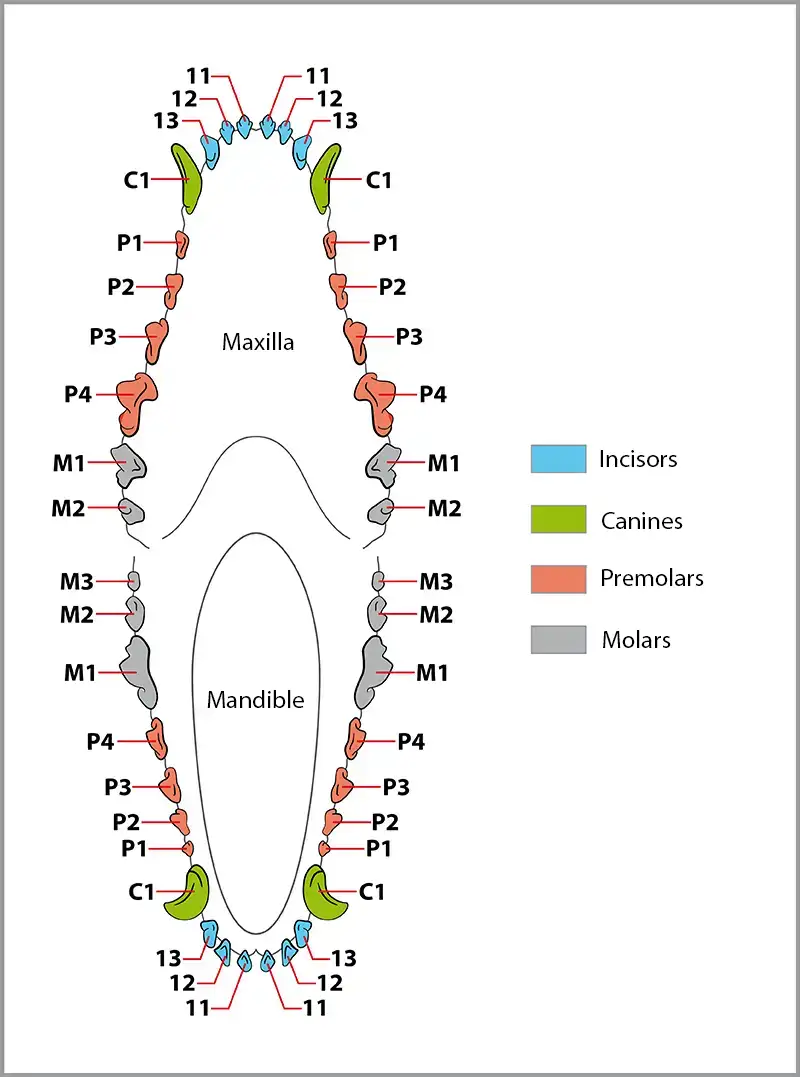
The dog’s dentition is clearly designed for catching and eating prey. With a total of 42 teeth, it is specialised in tearing meat, roughly breaking it up and gnawing on bones. The powerful canines – also known as fang teeth – originally served to seize and hold prey, while the cheek teeth (molars and premolars) can bite through meat and bones and roughly break them up. The incisors are mainly used for nibbling meat remnants off bones. Unlike herbivores, however, dogs are not able to grind their food.
The oral flora also plays an important role. The dog’s oral mucosa is rich in beneficial, natural germs and bacteria that are involved in the first steps of digestion. This healthy oral flora is maintained through saliva flow, tongue movements, as well as chewing and gnawing, but can be disrupted by tartar, inflammation or disease.
Healthy teeth, intact oral mucosa and an uninjured tongue are basic prerequisites for a smooth start to digestion, before the food is actively transported through the oesophagus into the stomach.
Enzymatic digestion in the stomach
In dogs, actual digestion does not begin – as it does in humans, for example – in the mouth, but only in the stomach. Via the muscular tube of the oesophagus, the only roughly broken-up food reaches it quickly and is here, for the first time, intensively processed chemically.
The dog’s stomach is large, highly stretchable and muscular. These anatomical features enable it to ingest and digest even larger amounts of food in comparatively large pieces – a clear legacy from its time as a predator.
Inside the stomach, the food is mixed with highly acidic gastric acid and digestive enzymes. The dog’s gastric acid contains around ten times as much hydrochloric acid as that of humans. The pH value fluctuates depending on the feeding time: immediately after food intake it is initially around 5–6 and then decreases as digestion progresses to values below 2. In this highly acidic milieu, enzymatic digestion begins, in particular the breakdown of proteins by the enzyme pepsin.
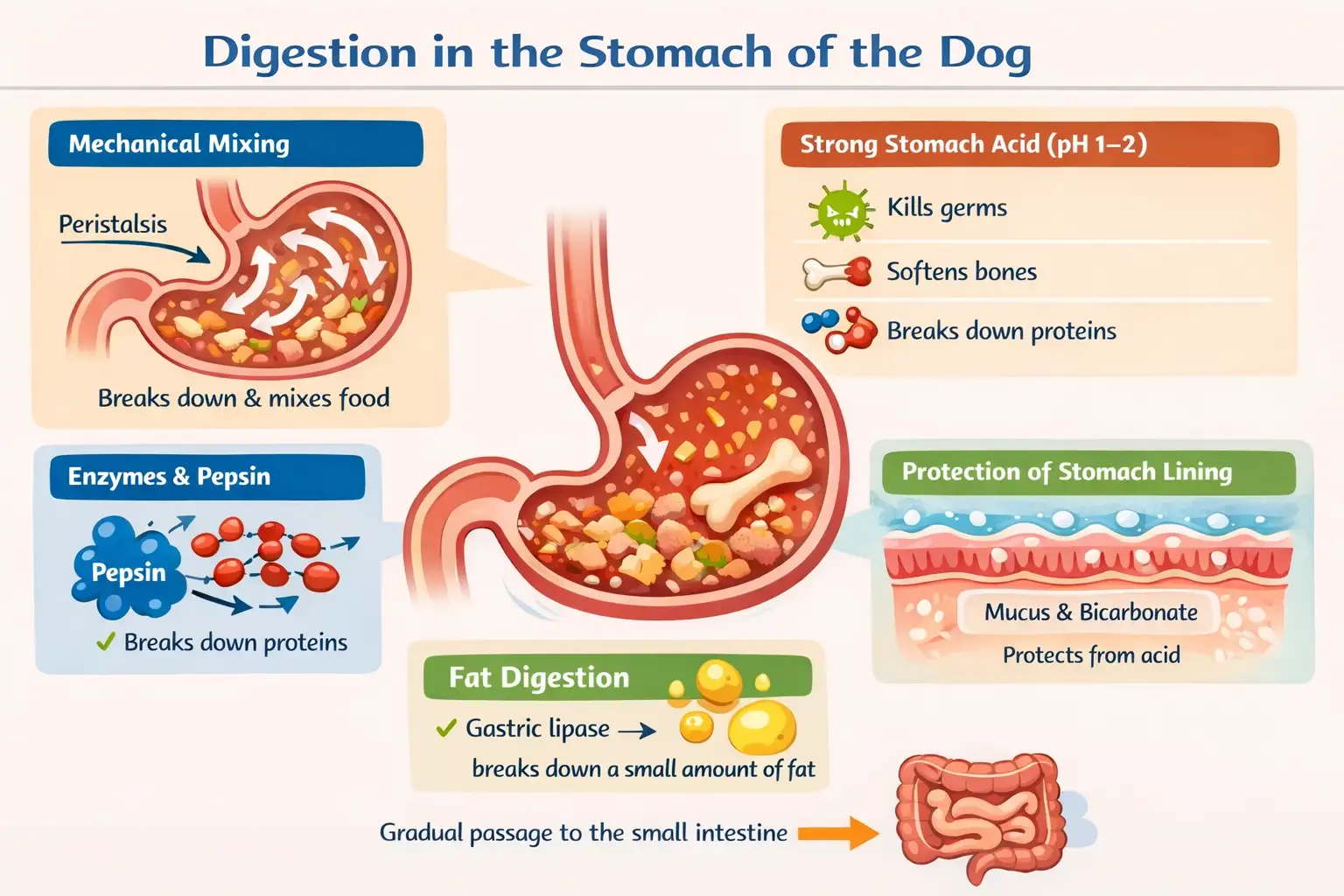
To prevent the aggressive gastric acid from attacking the stomach lining, it is coated with a thick layer of mucus, which prevents self-digestion. At the same time, the high acid concentration helps to kill germs and bacteria that can be ingested with food – a mechanism that even enables wolves in the wild to eat carrion without problems. However, not all germs are reliably destroyed. Some, such as salmonella, are partly acid-resistant. For this reason, hygiene and food quality – especially with raw feeding – remain of great importance.
If a dog is fed in a way that is not species-appropriate over the long term, the composition and concentration of gastric acid can change. As a result, susceptibility to bacteria increases, and gastrointestinal complaints or audible abdominal noises may occur more frequently. At the same time, the nature of the food influences how long the food mash remains in the stomach and how well it is prepared for the subsequent digestive steps.
Main digestion in the small intestine
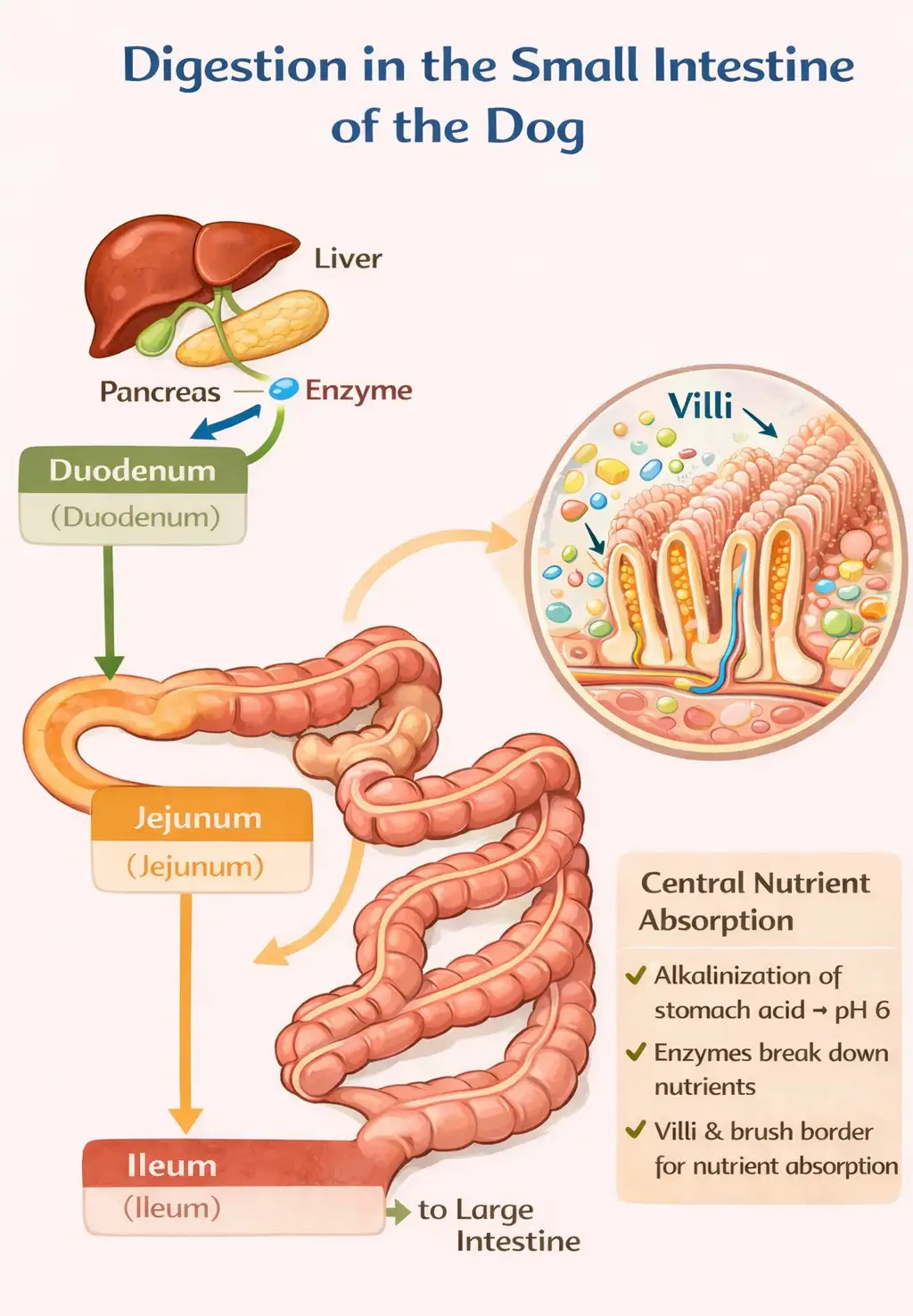
Only in the next section of the digestive tract, the small intestine, does digestion unfold to its full extent. Here, the food components prepared in the stomach are further broken down, absorbed and made available to the body. The small intestine is divided into the duodenum, jejunum and ileum and is the central site of nutrient absorption.
To prevent the aggressive gastric acid from the stomach from damaging the intestine, it is neutralised in the duodenum by an alkaline secretion from the pancreas. As a result, the pH value rises to around 6, creating an environment in which digestive enzymes can work optimally.
The pancreas now releases enzymes that break down proteins, fats and carbohydrates further into their smallest building blocks. This process is supported by the liver and the gallbladder, which provide bile acids that are indispensable for fat digestion.
The intestinal wall of the small intestine is heavily folded and equipped with villi as well as a fine brush border. This massively increases the surface area, enabling particularly efficient absorption of nutrients.
The broken-down components of the food now pass through the intestinal wall into the body and are available for metabolism. In this section, the intestinal contents are very fluid and consist of around 75 to 90% water.
The pancreas as a digestive organ
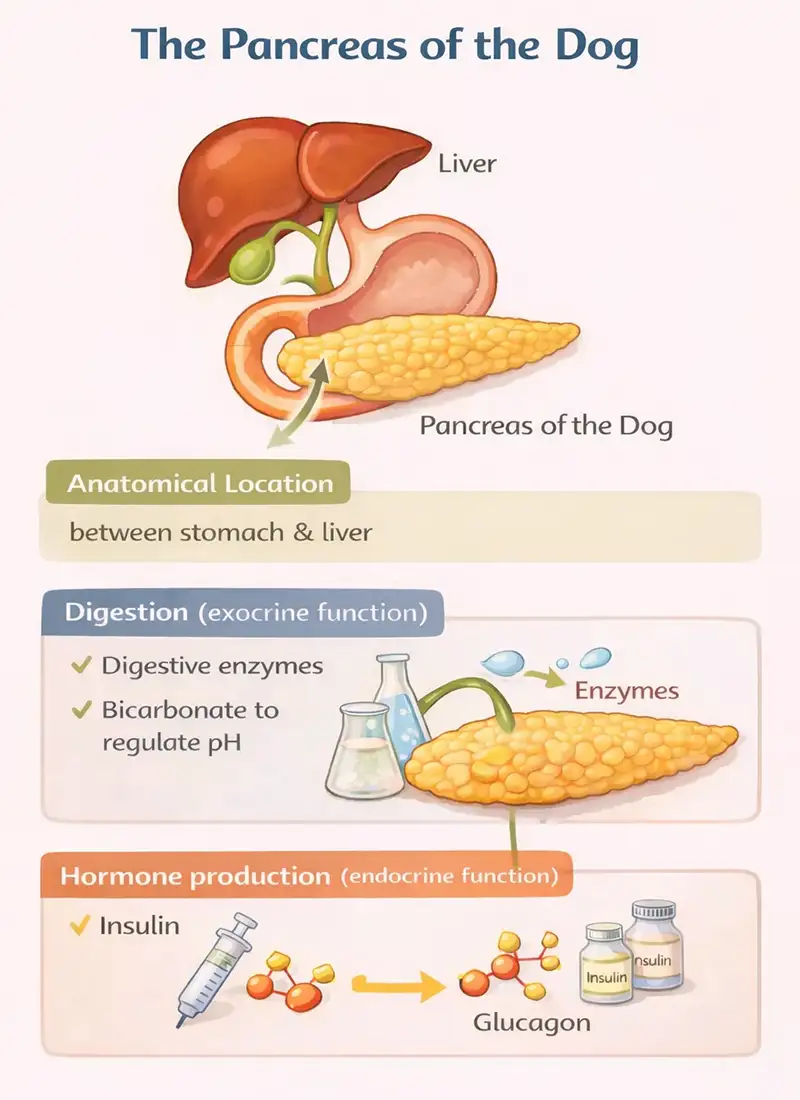
The pancreas plays a central role in digestion, especially in the breakdown of fats. It produces important digestive enzymes that act in the small intestine and enable the further decomposition of nutrients there.
In addition, it is also important for the hormonal balance, as it produces, among other things, insulin and glucagon, which regulate blood sugar levels.
The pancreas is sensitive to stress, certain medications and food intolerances. Diseases of the pancreas can lead to severe digestive disorders and, in the long term, can have a significantly negative effect on nutrient utilisation – and especially on fat utilisation – and ultimately also on the dog’s overall well-being. Among the most common diseases in dogs are pancreatitis and exocrine pancreatic insufficiency (EPI), which make a permanently low-fat diet necessary.
Nice to know: Why dogs can only utilise plant-based food to a limited extent
Compared to herbivores, the dog’s intestine is significantly shorter and thus overall around 50% smaller. This is because animal-based food is much easier to digest than plant-based food.
Carbohydrates, grains, vegetables or fruit can therefore only be broken down to a limited extent in dogs, because the food passes through the intestine comparatively quickly and therefore simply does not remain in the intestine long enough. In addition, dogs produce less gastric acid when their diet contains a high proportion of plant matter than when they eat a meat-rich diet.
To make plant-based components more usable nevertheless, they should always be fed cooked or finely puréed. This processing breaks down the plant cell walls, which makes nutrient absorption significantly easier. If these processing steps are not carried out, vegetables and fruit merely function as fibre.
Further processing in the large intestine
After passing through the small intestine, the remaining food mash enters the large intestine. In dogs, this is relatively short and simply structured, but it performs important tasks. Here, water and electrolytes are reabsorbed, which thickens the intestinal contents and ultimately forms faeces. At the same time, waste products of metabolism are released into the intestine.
The large intestine is also home to a highly complex intestinal flora. Billions of microorganisms ferment indigestible food components and produce, among other things, vitamin K as well as B vitamins, which – depending on type and quantity – can contribute to supplying the body. A low-oxygen environment is essential for these bacteria and a prerequisite for stable intestinal function.
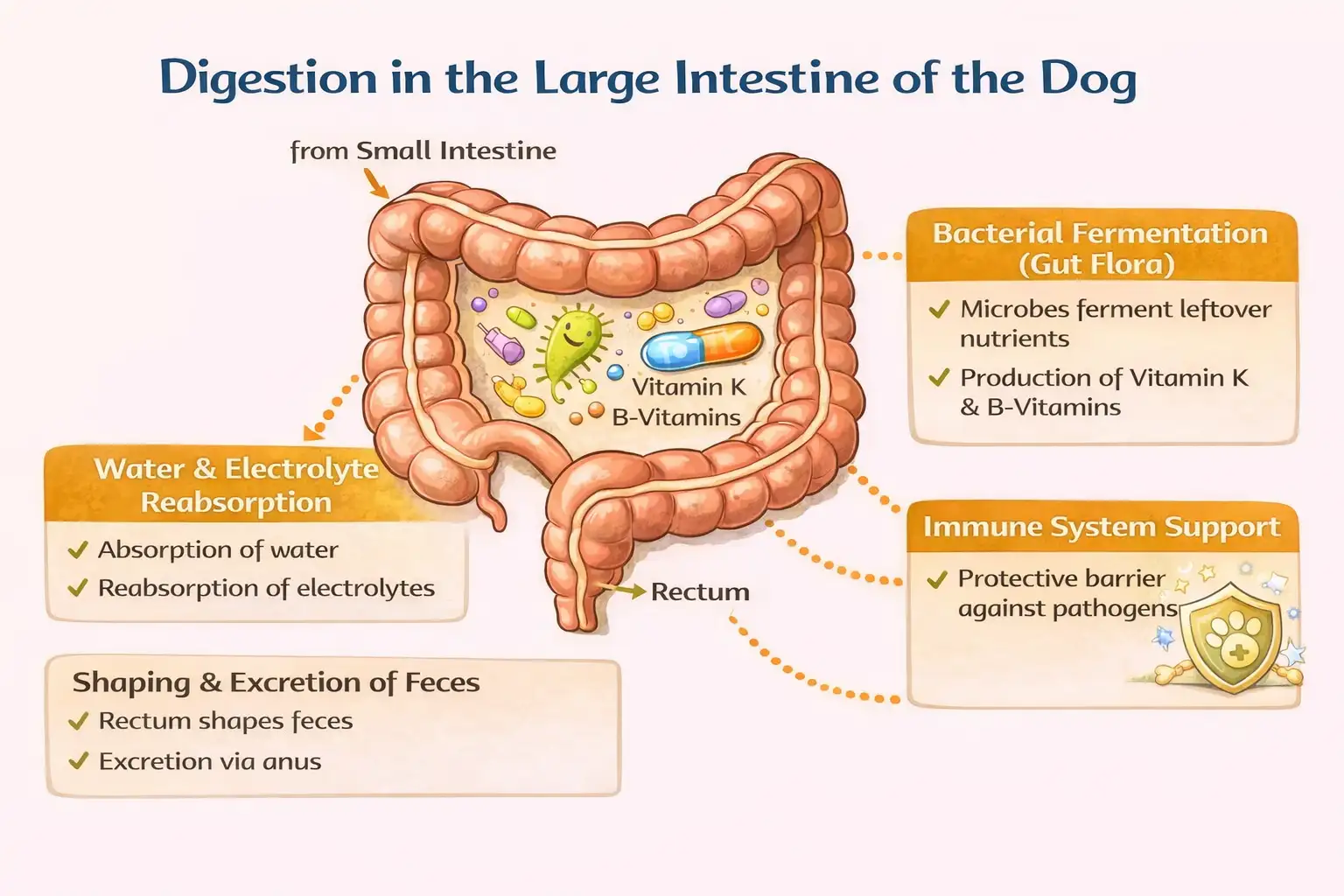
In addition, the intestines play a central role in the immune system: A large part of the body’s own defence is located in the intestines. If the intestinal mucosa is damaged or the intestinal flora is out of balance, substances that are actually harmless can increasingly enter the bloodstream. Possible consequences include, among other things, food intolerances or allergic reactions.
In the last section of the large intestine, the rectum, mucus is produced which facilitates the excretion of faeces. Disorders in the large intestine can therefore not only manifest as changes in stool consistency or diarrhoea, but can also have far-reaching effects on overall health.
What faeces can tell us about the quality of the food
At the end of the digestive process, the thickened food mash is excreted through the anus. In doing so, the anal glands secrete a fluid that additionally moistens the faeces and makes excretion easier.
Amount of faeces, consistency, colour and smell can provide valuable indications of the type, quality and digestibility of the food. With a well-tolerated and balanced diet, faeces are usually firm but not hard, well-formed and can be passed without problems. Ideally, a healthy dog defecates once or twice a day, in comparatively small amounts.
Changes in faeces can have various causes. Very hard faeces or so-called bone stool, for example, can occur if too large quantities of bones are fed and, in the worst case, can even lead to constipation. Conversely, diarrhoea can occur if the food passes through the gastrointestinal tract too quickly or is not optimally composed. In addition to feeding, however, factors such as stress, exercise, general health status or the amount of treats also influence stool quality. If problems with stools that are too soft or too hard persist, veterinary advice should always be sought.
Closely linked to the amount of faeces is the digestibility of the food. It describes the proportion of the diet that is actually absorbed and used by the body. Even comparatively small differences can have major effects: A digestibility that is around 10% lower can almost double the amount of faeces. Fresh muscle meat, for example, has a digestibility of around 98%, while plant-based components such as peas are around 85%. Home-prepared rations often achieve digestibility values of over 90%, whereas industrially heavily processed foods are often significantly below that.
As a rule of thumb: The higher the digestibility of a food, the smaller the amount of faeces – and the better the dog is supplied with nutrients.
Conclusion: Species-appropriate dog nutrition in the light of evolution
Even if the dog is no longer a wolf today, it still carries its digestive system almost unchanged within it. Despite domestication, a changed way of life and major external differences, the basic structure of the digestive system has hardly changed over the course of evolution. Only the ability to utilise starch and thus certain carbohydrates is more pronounced in the domestic dog than in the wolf. However, this does not make the dog an omnivore.
Looking at the wolf helps to classify these biological fundamentals more accurately. Wolves cover their entire nutrient requirement by consuming whole prey animals – raw, natural and in a composition that optimally matches their digestive system. Since we cannot feed our dogs whole prey animals, the most sensible alternative is to compose their meals in a way that comes as close as possible to this natural model: with high-quality animal protein and fat, supplemented by carefully selected and well-prepared plant-based components and supplements.
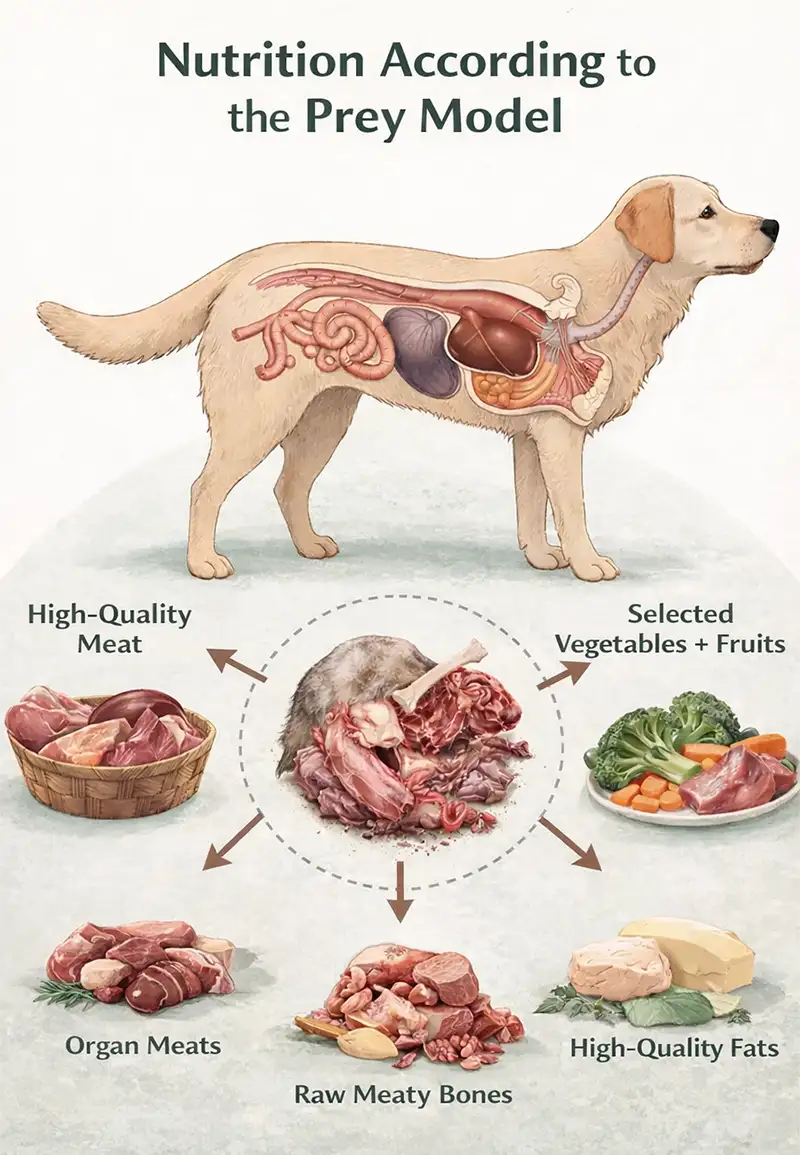
How well a dog can utilise food is shown not least by its digestion. The entire digestive process in dogs takes about a day and is influenced, among other things, by the degree to which the food is broken down, the feeding frequency, the fibre content, and sufficient rest after eating. The quality, composition and preparation of the food have a decisive influence on digestion, stool volume, intestinal health and, not least, the immune system.
Species-appropriate dog nutrition therefore does not mean “humanising” the dog, but taking its physiological needs seriously. Our dogs are completely dependent on us when it comes to their nutrition – we decide what ends up in their bowl. Conscious, needs-based feeding that is oriented towards the dog’s biological prerequisites forms the basis for stable digestion, a healthy intestinal flora and long-term well-being.
Against this background, BARF is a particularly obvious way to feed your dog according to its needs, healthily and in harmony with its biological origins.
Frequently asked questions about the digestion of dogs & wolves (FAQ)
How does digestion differ between dogs and wolves?
Exactly how digestion differs between dogs and wolves is explained in the section "From wolf to dog – adaptation to humans" .
Is the dog a carnivore or an omnivore?
The answer to whether the dog is a carnivore or an omnivore can be found in the section "From wolf to dog – adaptation to humans".
Why is the wolf used as a model for dog nutrition?
Why the wolf can be used as a model for dog nutrition is explained in the section "The dog is not a wolf – but neither is it a herbivore".
Where does digestion begin in dogs?
Where digestion begins in dogs is explained in the section "Digestion begins in the mouth".
What role does the stomach play in a dog’s digestion?
Important information about the role of the stomach in a dog’s digestion can be found in the section "Enzymatic digestion in the stomach".
Where does the main digestion take place in dogs?
Where the main digestion takes place in dogs is explained in the section "Main digestion in the small intestine".
Why is a dog’s intestine shorter than that of herbivores?
You’ll find the answer in the section "Nice to know: Why dogs can only utilise plant-based food to a limited extent".
How important is the intestinal flora for a dog’s health?
The importance of the intestinal flora for a dog’s health is explained in more detail in the section "Further processing in the large intestine".
What does a dog’s faeces say about the digestibility of the food?
What conclusions can be drawn from a dog’s faeces about the food it has eaten is explained in the section "What faeces can tell us about the quality of the food".
Why is BARF based on the wolf’s natural diet?
Why BARF is based on the wolf’s natural diet is explained in the "Conclusion: Species-appropriate dog nutrition in the light of evolution".
Recommended reading
BARF - Raw feeding for dogs
Dr. med. vet. Danja Klüver, Kosmos Verlag,
Edition 2016, 112 pages
Go to the book
Myths of dog feeding - Misconceptions about dog nutrition
Nadine Fahrenkrog, Verlag Eugen Ulmer,
Edition 2014, 128 pages
Go to the book
Healthy nutrition for dogs
Dr. Martin Bucksch, Kosmos Verlag
Edition 2017, 128 pages
Go to the book
BARFing dogs - Everything about raw feeding
Dr. med. vet. Julia Fritz, Verlag Eugen Ulmer
2nd, expanded edition, 231 pages
Go to the book