





-
Shipping to your country not possible.


 3,34 € (6,68 € / kg)Organic Turkey Carcass (minced)
 -
Shipping to your country not possible.
 3,04 € (6,08 € / kg)Organic Chicken Necks (minced)
 -
Shipping to your country not possible.
 4,89 € (4,89 € / kg)Chicken Necks (Coarsely Ground)
 -
Shipping to your country not possible.
 5,29 € (5,29 € / kg)Ground Turkey Necks
 -
Shipping to your country not possible.
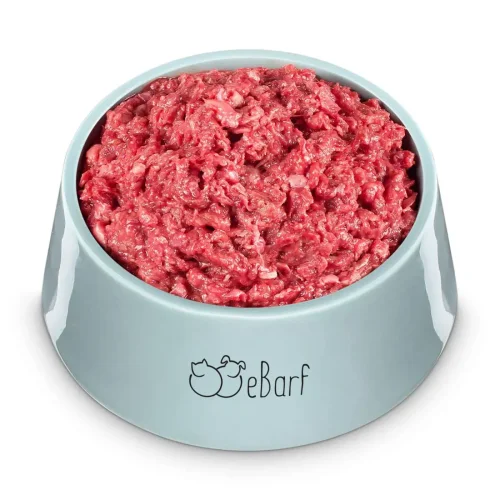 4,69 € (4,69 € / kg)Whole Minced Chicken
 -
Shipping to your country not possible.
 4,79 € (4,79 € / kg)Whole Chicken Necks
 -
Shipping to your country not possible.
 4,69 € (4,69 € / kg)Ground Turkey Carcass
 -
Shipping to your country not possible.
 6,39 € (6,39 € / kg)Duck Necks (minced)
 -
Shipping to your country not possible.
 10,59 € (10,59 € / kg)Rabbit carcass
Bones & cartilage
Bones & cartilage for cats – a natural source of calcium
In a species-appropriate raw diet for cats, the correct calcium-phosphorus ratio plays a crucial role. Bones for cats provide valuable minerals such as calcium, phosphorus and magnesium, which are essential for healthy growth, strong bones and robust teeth. Especially for BARF beginners it is important to know: cooked bones should never be fed to cats, as they splinter easily and can cause dangerous injuries. Only raw, fresh bones are suitable for feeding.
Why the calcium-phosphorus ratio is so important for cats
Cats have a very sensitive metabolism and depend on food with a well-balanced calcium-phosphorus ratio, which should ideally be around 1.15:1. An excess of phosphorus – for example when feeding only meat without bones – can lead to kidney damage over time. Bones provide the necessary calcium to maintain this balance and are therefore an essential part of a well-structured BARF meal plan.
Which bones are suitable for cats?
Only soft, cartilaginous bones from smaller animals are suitable for cats – ideally from chicken, duck or rabbit. Chicken necks for cats are particularly popular because they are easy to chew, rich in cartilage and very digestible. Chicken wings or carcasses can also be fed, either minced or finely chopped. For cats that do not accept whole bones, ground bone or bone meal is a safe and effective alternative.
Feeding bones safely – how to do it
Many cats struggle with chewing bones at first. In this case, it helps to start with small amounts or to finely chop the bones beforehand. Alternatively, you can choose minced products or food that already contains processed bone. The bones should always be raw and as fresh as possible – never cooked or heated. It is also advisable not to feed bones on an empty stomach, but together with meaty components to improve digestibility.
How to portion bone meals correctly
The bone content for cats should make up around 5–10% of the animal-based portion of the diet. If too many bones are fed, this can lead to hard stool or constipation. In that case, it helps to reduce the amount or balance it out with fibre-rich supplements such as psyllium husks. As always, the right balance is key to your cat’s health. When fed correctly, bones are not only a natural source of calcium but also support dental hygiene and encourage species-appropriate chewing behaviour.
Whether minced or in pieces – in our wide selection you’ll find high-quality bones for your cat.